Why Everyone Should Learn Data Literacy

2 min read

1

Every tap, click, swipe, purchase, share, and search contributes to the largest human dataset ever created. We live in a world where data is constantly generated—but rarely understood. From the news we consume to the jobs we pursue, data shapes our daily lives in subtle and profound ways. And yet, most people treat data like they once treated Latin: useful only to specialists in lab coats or finance towers.

That’s a dangerous myth.

In today’s economy, data literacy is not about becoming a data scientist. It’s about knowing how to ask the right questions, spot manipulation, and make better decisions—whether you're a teacher, designer, manager, or citizen. As AI and automation reshape the job market, data fluency is becoming the new reading and writing.

🔍 What Is Data Literacy, Really?

It’s not Excel shortcuts or statistics jargon. Data literacy means:

  • Interpreting charts and dashboards

  • Understanding probabilities and trends

  • Questioning the source, method, and bias

  • Using data to tell compelling stories or make decisions

Think of it as critical thinking for the data age.

đź’Ľ Careers Are Changing—So Are the Skills

You don’t need to work in tech to need data. Here’s how data literacy is becoming foundational in unexpected careers:

đź“‹ [List: How Data Literacy Is Transforming Jobs]

  • Marketing Manager → Analyzes campaign metrics and A/B tests

  • HR Specialist → Interprets retention data and engagement scores

  • Journalist → Investigates public datasets and builds visual explainers

  • Sales Rep → Tracks performance pipelines, predicts churn

  • Healthcare Worker → Understands risk models, patient trends

  • Educator → Evaluates student learning outcomes and adapts materials

  • City Planner → Uses traffic and demographic data for public projects

🌍 Data Skills = Career Resilience

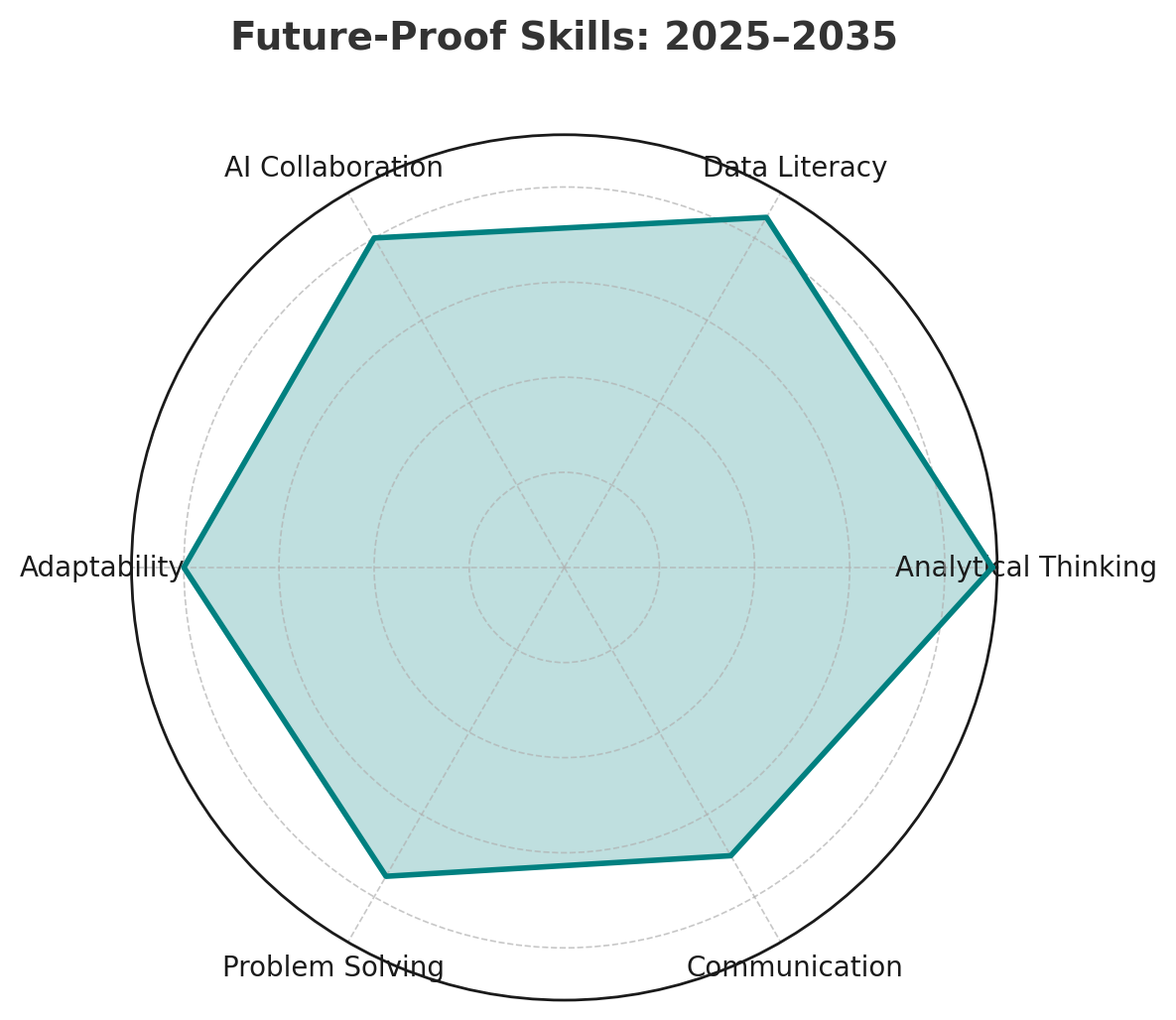
The World Economic Forum ranks "Analytical thinking" and "Data analysis" among the top 10 skills for the future. Not just for data analysts—for everyone. Because tomorrow’s job descriptions won’t say “must know SQL”, but they will say:

  • “Make decisions based on insights”

  • “Work with AI-generated analytics”

  • “Communicate results using evidence”

In other words: You won’t need to be technical, but you will need to be fluent.
🎯 Conclusion: Learn to Read the World

We often say data is “the new oil.” But that’s wrong. Data is not a commodity—it’s a language. And like any language, you don’t need to master it completely to become fluent enough to thrive.

Data literacy is about empowerment. It helps you make smarter choices, ask better questions, and stay relevant in a world shaped by numbers. The future belongs not just to those who code—but to those who can think with data.


Latest Articles

Why Adaptability Is the Most Valuable Skill

Adaptability has become the most valuable skill in a world driven by automation and AI. This expert article explains why the ability to learn, unlearn, and reapply skills now outweighs technical expertise alone. With real examples, data from the World Economic Forum, and insights from companies like Microsoft and IBM, it provides practical strategies for building adaptability, improving career resilience, and staying relevant as roles and technologies continue to evolve.

Careers & Skills of Tomorrow

Read » 0

How Remote Work Reshaped Global Hiring

In March 2020, millions of workers packed up their laptops, stepped out of offices—and never came back. What started as an emergency shift during a global pandemic has become a permanent transformation of how companies hire, manage, and think about talent. Remote work didn’t just change where we work. It changed who gets hired, how careers evolve, and what skills matter most in a global economy. Three years later, we're not going back. Remote work has flattened the hiring landscape, turning formerly local job markets into global talent platforms. This isn’t just a workplace trend—it’s a reimagining of how work fits into life, and how companies compete for talent across time zones, not ZIP codes.

Careers & Skills of Tomorrow

Read » 0

Learning How to Learn: The Key Skill of the Future

Learning how to learn is becoming the most critical skill in a rapidly changing world. As technology evolves and job requirements shift, the ability to acquire, adapt, and apply new knowledge efficiently determines long-term success. This in-depth guide explains what learning how to learn really means, why traditional education often fails to teach it, and how proven methods like active recall, spaced repetition, and problem-based learning can dramatically improve retention and skill transfer. Ideal for students, professionals, and lifelong learners.

Careers & Skills of Tomorrow

Read » 0

The Rise of Hybrid Human-AI Roles

Hybrid human-AI roles are redefining the future of work as organizations move from pure automation to human-AI collaboration. This expert article explains why hybrid roles are rising, how they differ from traditional jobs, and what skills professionals need to succeed alongside AI. Featuring real examples from companies like Microsoft, IBM, Salesforce, and Zendesk, it provides practical guidance on role design, governance, and performance measurement for sustainable careers in an AI-driven economy.

Careers & Skills of Tomorrow

Read » 0

Soft Skills That Will Matter Most in 2030: The Human Edge in an AI-Driven World

In 2030, the workforce will look radically different. With AI, automation, and digital tools transforming industries, many jobs will evolve, and others may fade away entirely. However, there is one thing that machines will never replicate: the human touch. While technical skills will remain critical, soft skills—those less tangible, more interpersonal abilities—will define the future of work. These are the qualities that enable us to connect, collaborate, think critically, and lead with empathy. In a world where machines perform more of the transactional and routine tasks, humans will be expected to contribute value in ways that technology cannot. This shift will require us to hone a set of unique, essential skills that will be the hallmark of successful professionals in 2030. Let’s take a closer look at the soft skills that will matter most in the coming decade and explore why they’ll be the key to thriving in an AI-enhanced world.

Careers & Skills of Tomorrow

Read » 0

Why Everyone Should Learn Data Literacy

Every tap, click, swipe, purchase, share, and search contributes to the largest human dataset ever created. We live in a world where data is constantly generated—but rarely understood. From the news we consume to the jobs we pursue, data shapes our daily lives in subtle and profound ways. And yet, most people treat data like they once treated Latin: useful only to specialists in lab coats or finance towers. That’s a dangerous myth. In today’s economy, data literacy is not about becoming a data scientist. It’s about knowing how to ask the right questions, spot manipulation, and make better decisions—whether you're a teacher, designer, manager, or citizen. As AI and automation reshape the job market, data fluency is becoming the new reading and writing.

Careers & Skills of Tomorrow

Read » 1