Popular Articles

How AI Handles Complexity Better Than Humans
Artificial intelligence handles complexity better than humans by processing massive numbers of variables, adapting in real time, and making consistent probabilistic decisions under uncertainty. This expert guide explains why human cognition struggles with complex systems, how AI models outperform in data-rich environments, and where human judgment still matters. Learn practical strategies, real case examples, and concrete recommendations for using AI to manage complexity in business, finance, and operations.
AI & Automation

From Scripts to Intelligence: Evolution of Automation
Automation has evolved from simple scripts and macros to intelligent, adaptive systems that learn and improve over time. This expert guide explains the evolution of automation, from rule-based scripting to intelligent automation powered by machine learning and decision systems. Learn why traditional scripts fail in modern environments, how intelligent automation reduces errors and maintenance costs, and what practical steps companies can take to transition safely and effectively.
AI & Automation
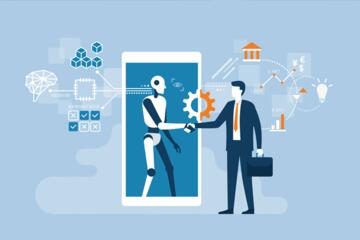
AI Automation Myths That Hold Companies Back
AI automation myths continue to hold companies back from realizing real business value. This in-depth guide explains the most common misconceptions about AI automation, why they persist, and how they damage adoption efforts. Learn how to overcome false beliefs about job replacement, data requirements, and ROI, with practical examples, case studies, and expert recommendations to build effective, human-centered AI automation strategies.
AI & Automation

The Future of Decision-Making with AI
The future of decision-making with AI is transforming how organizations analyze data, predict outcomes, and choose actions. This in-depth guide explains how AI-driven decision systems work, where they fail, and how to use them responsibly. Learn about real-world use cases in finance and healthcare, common mistakes, governance best practices, and expert recommendations for building hybrid human-AI decision frameworks that improve accuracy, speed, and trust.
AI & Automation

Workflow Automation Without Coding
Workflow automation without coding allows businesses to streamline operations, reduce manual work, and scale processes without relying on developers. This in-depth guide explains how no-code workflow automation works, the most common mistakes teams make, and how to implement effective automations using real platforms like Zapier, Make, and Power Automate. Learn practical strategies, real-world examples, comparison tables, and expert recommendations to build reliable, scalable workflows that deliver measurable ROI.
AI & Automation

How AI Learns From Human Behavior
AI systems learn from human behavior through clicks, feedback, interactions, and corrections—but this process is more complex than it appears. This in-depth guide explains how artificial intelligence actually learns from human behavior, the risks of biased and noisy data, and how organizations can design responsible learning systems with human oversight. Discover real-world examples, practical frameworks, and expert insights for building AI that improves over time without sacrificing trust, fairness, or accountability.
AI & Automation

The Rise of Self-Optimizing Systems
Self-optimizing systems are transforming how modern organizations operate by continuously adapting to data, feedback, and changing conditions. This in-depth guide explains what self-optimizing systems are, how they work in real-world environments, and where they deliver measurable value across cloud computing, manufacturing, logistics, and pricing. Learn the key risks, common mistakes, and practical frameworks needed to implement self-optimizing systems responsibly with transparency, constraints, and human oversight at the core.
AI & Automation

AI Automation in Finance, Healthcare, and Law
AI automation is transforming finance, healthcare, and legal services by improving efficiency, accuracy, and scalability while maintaining human oversight. This in-depth article explores how AI automation works in highly regulated industries, covering real-world use cases such as fraud detection, medical documentation, and contract analysis. Learn where AI delivers the highest ROI, common implementation mistakes to avoid, and practical frameworks for responsible adoption with compliance, transparency, and trust at the core.
AI & Automation
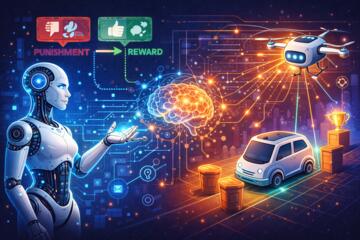
How Reinforcement Learning Powers Autonomous Systems
Reinforcement learning is a key technology powering autonomous systems, enabling machines to learn from experience and optimize decisions in dynamic environments. This expert article explains how reinforcement learning works, where organizations misuse it, and how to apply it safely in robotics, energy systems, and autonomous control. Featuring real examples from Google and Boston Dynamics, practical recommendations, and clear comparisons with rule-based systems, the guide is designed for engineers, product leaders, and decision-makers building reliable autonomous solutions.
AI & Automation
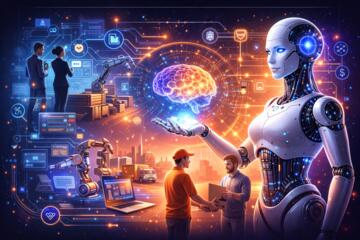
End-to-End Business Automation with AI
End-to-end business automation with AI goes beyond isolated bots to orchestrate entire processes from intake to execution and optimization. This expert guide explains what true E2E automation looks like, why many initiatives fail, and how to design AI-driven systems that deliver measurable results. Featuring practical frameworks, real examples, and platforms like SAP, Salesforce, UiPath, and IBM, the article provides actionable guidance for leaders aiming to reduce costs, accelerate cycles, and scale automation responsibly.
AI & Automation