Popular Articles

The Internet as a Living System
The internet is no longer just digital infrastructure—it behaves like a living system that adapts, evolves, and self-regulates through feedback loops, algorithms, and human behavior. This expert guide explores how the internet functions as a biological-style ecosystem, why traditional control models fail, and how platforms, businesses, and policymakers can design more resilient, adaptive digital environments.
The Future of the Internet

Privacy-First Internet: Is It Possible?
Is a privacy-first internet truly possible in a world dominated by data-driven advertising? This in-depth guide explores the technologies, regulations, and business models behind a privacy-first web. Learn why surveillance-based platforms fail users, how privacy-preserving tools like contextual advertising and on-device processing work, and which real-world companies are proving that privacy and usability can coexist. A practical, expert-level analysis of the future of online privacy.
The Future of the Internet

The Future of Social Networks Without Algorithms
Algorithm-driven feeds dominate today’s social media, but they come with serious costs—loss of trust, manipulation, and mental fatigue. This in-depth article explores the future of social networks without algorithms, explaining how chronological feeds, user-controlled curation, and community governance can replace engagement-driven recommendation systems. Learn why algorithm-free platforms are emerging, what problems they solve, and how they could reshape online interaction in the next era of the internet.
The Future of the Internet

Data Ownership in the Next Internet Era
Data ownership is becoming one of the defining challenges of the next internet era. As AI systems, platforms, and automation layers rely on massive amounts of personal and behavioral data, traditional models of data control are breaking down. This expert guide explains what data ownership really means, why current platform-centric approaches fail, and how user-centric data models, AI transparency, and data portability will shape trust, regulation, and value creation in the future web.
The Future of the Internet

The Shift From Websites to AI Interfaces
The internet is moving from traditional websites to AI-driven interfaces that deliver direct answers, actions, and decisions. This expert guide explains why the shift is happening, how AI interfaces change search, UX, and monetization, and what businesses and creators must do to stay visible and trusted. Learn practical strategies to adapt content, SEO, and authority for a future where AI becomes the primary gateway to information.
The Future of the Internet
How the Internet Will Adapt to Automation
Automation is reshaping how the internet works—from content creation and search to moderation, commerce, and infrastructure. This in-depth expert guide explores how the internet is adapting to large-scale automation, what challenges platforms face, and which strategies help preserve trust, quality, and human value. Learn how AI-driven systems change online ecosystems, where automation fails, and how businesses and creators can thrive in an increasingly automated web.
The Future of the Internet

Intelligent Content Discovery Explained
Intelligent content discovery uses AI, behavioral data, and contextual signals to help users find relevant content in an overcrowded digital world. This expert article explains how intelligent discovery works, why traditional keyword-based models fail, and how platforms and creators can design content for better visibility and engagement. With real examples from YouTube, Netflix, and modern search systems, it provides practical strategies for building discovery systems that prioritize relevance, trust, and long-term value.
The Future of the Internet

The Future of Search in an AI-Driven Web
Search is rapidly evolving in an AI-driven web, moving from keyword-based rankings to conversational, intent-driven answers. This expert article explores how AI is reshaping search behavior, SEO, and content discovery, with real examples from Google and Microsoft. It explains what breaks in traditional search models, how creators and businesses can adapt, and which strategies build visibility and trust when AI systems increasingly synthesize answers instead of listing links.
The Future of the Internet

How Decentralization Will Reshape the Internet
Decentralization is reshaping the internet by shifting control from platforms to users and open protocols. This expert article explains how decentralization will change infrastructure, data ownership, identity, trust, and governance online. With real examples from blockchain platforms, decentralized exchanges, and distributed storage networks, it breaks down benefits, trade-offs, and practical steps for adopting decentralized systems realistically—without hype or ideology.
The Future of the Internet
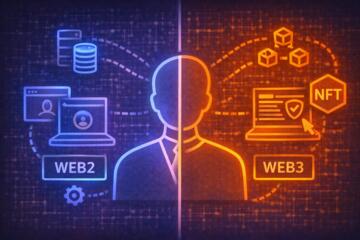
From Web2 to Web3: What Changes for Users
The transition from Web2 to Web3 is changing how users interact with the internet, shifting power from platforms to individuals. This expert guide explains what actually changes for users, including ownership, identity, trust, payments, and governance. With real examples from platforms like MetaMask, Uniswap, OpenSea, and stablecoin ecosystems, the article breaks down benefits, risks, and practical steps for navigating Web3 safely and realistically—without hype or ideology.
The Future of the Internet