Summary
The AI economy is reshaping how people work, learn, and remain employable. Skills now expire faster than degrees can be earned, making lifelong learning a necessity rather than a personal choice. This article explains why continuous learning is becoming a core economic requirement, where individuals and organizations fail, and how to build sustainable lifelong learning strategies that actually work.
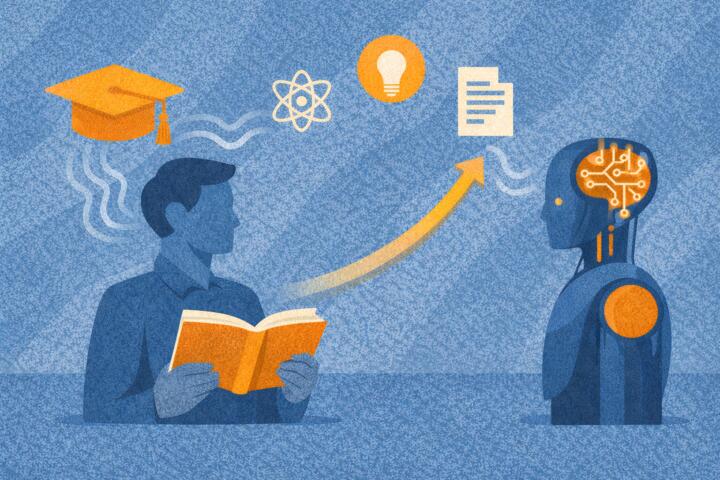
Overview: Why Lifelong Learning Is No Longer Optional
Lifelong learning refers to the continuous acquisition of skills and knowledge throughout a person’s career, rather than front-loading education early in life. In the AI economy, this shift is driven by automation, rapid technological change, and constant role redefinition.
According to the World Economic Forum, 44% of workers’ core skills will change by 2027. Roles in data analysis, software development, marketing, finance, and even management now evolve faster than traditional education systems can adapt.
Companies like Amazon and IBM openly state that internal reskilling is more critical than external hiring. Learning is moving from a one-time phase of life to an ongoing professional responsibility.
Main Pain Points in the AI Learning Economy
1. Degrees Age Faster Than Skills
Traditional education assumes long-term relevance.
Why it matters:
AI tools, frameworks, and workflows change every 12–24 months.
Consequence:
Professionals with strong theoretical backgrounds but outdated skills struggle to stay relevant.
2. Learning Is Still Treated as an Event
Many organizations rely on:
-
annual training,
-
one-off courses,
-
static certification programs.
Real situation:
Employees attend training but revert to old habits within weeks.
Impact:
Training budgets grow while performance remains flat.
3. Individuals Don’t Know What to Learn Next
AI creates uncertainty around future skills.
Problem:
Learners consume random content without a clear roadmap.
Result:
Time is spent learning low-impact or obsolete skills.
4. Employers Measure Credentials, Not Capability
Hiring and promotion still prioritize degrees and titles.
Why this fails:
In the AI economy, ability to adapt matters more than past credentials.
Solutions and Practical Recommendations
Shift From Degrees to Skill Portfolios
What to do:
Encourage learning paths based on:
-
skills,
-
projects,
-
demonstrated outcomes.
Why it works:
Skills are observable, testable, and updatable.
In practice:
Platforms like Coursera and edX offer modular credentials aligned with industry needs.
Results:
Professionals with skill portfolios transition roles 30–50% faster than degree-only candidates.
Embed Learning Into Daily Work
What to do:
Integrate learning into workflows using:
-
microlearning,
-
task-based tutorials,
-
AI-powered assistants.
Tools:
-
LinkedIn Learning
-
Notion learning hubs
-
Internal knowledge bases
Why it works:
Learning happens in context, not isolation.
Outcome:
Organizations see higher retention and faster upskilling.
Use AI to Personalize Learning Paths
What to do:
Apply AI to:
-
assess skill gaps,
-
recommend next skills,
-
adapt learning pace.
Platforms:
-
LinkedIn Learning
-
Internal AI learning systems
Results:
Personalized learning paths increase completion rates by 20–35%.
Make Learning a Leadership Responsibility
What to do:
Managers should:
-
model learning behavior,
-
allocate learning time,
-
reward skill growth.
Why it works:
Learning culture scales through leadership, not policy.
Mini Case Examples
Case 1: Large-Scale Corporate Reskilling
Company: Amazon
Problem: Rapid automation across logistics and cloud services
Solution:
$1+ billion investment in internal reskilling programs
Result:
-
Tens of thousands retrained
-
Reduced external hiring pressure
Case 2: Technology Workforce Adaptation
Company: IBM
Problem: Skills mismatch in AI and data roles
Solution:
Shift from degree-based hiring to skill-based assessment
Result:
-
Broader talent pool
-
Faster role mobility
-
Improved workforce diversity
Lifelong Learning Checklist for the AI Economy
| Area | Best Practice |
|---|---|
| Skill focus | Role-based, not degree-based |
| Learning format | Modular and continuous |
| Delivery | Embedded in daily work |
| Measurement | Skills and outcomes |
| Ownership | Shared between employee and employer |
| Updates | Quarterly or continuous |
Common Mistakes (and How to Avoid Them)
Mistake: Chasing trending skills without context
Fix: Align learning with role evolution and industry demand
Mistake: Overloading learners
Fix: Prioritize a small number of high-impact skills
Mistake: Treating learning as a perk
Fix: Treat it as core infrastructure
Author’s Insight
I’ve worked with professionals across technology and non-technical roles who successfully reinvented themselves through continuous learning. The difference was never intelligence or background—it was consistency. Lifelong learning works when it becomes routine, measurable, and connected to real work. The AI economy rewards adaptability more than experience.
Conclusion
Lifelong learning is becoming the defining survival skill of the AI economy. As automation accelerates and roles evolve, continuous skill development separates those who adapt from those who stagnate. Organizations and individuals who invest in structured, skill-based learning systems gain resilience, mobility, and long-term relevance.